02
Nov
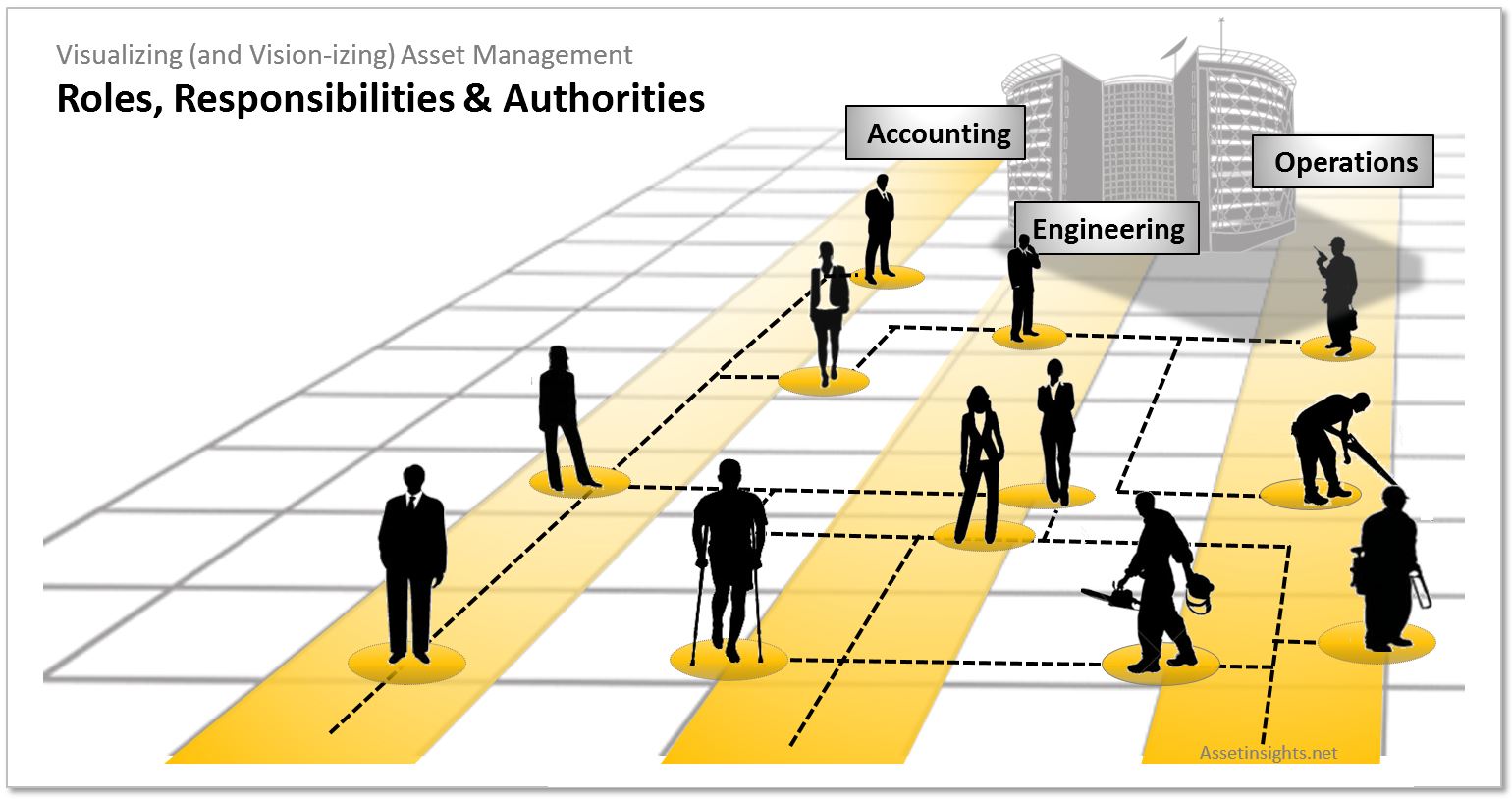
A systematic structure will not leave anything to chance and every activity is coordinated to perform to its maximum. Each of these people performs separate and critical functions, enabling the organization to function, meet its obligations, and turn a profit.

What are the roles in an organization. Note that this definition also extends outside the workplace into other positions held in a family and general society. A manger is a pivotal figure in the task of creating wealth. 5 rows roles of team members in an organization.
Identifying critical roles is about the impact those roles have on the organization, not necessarily the level of those roles in your organizational hierarchy. The manager, as in charge of the organization / department, coordinates the work of others and leads his subordinates. It is very easy to cross over into a myriad of small roles and responsibilities that in hindsight would fall to others, but which somehow always fall on the same people.
As you can guess by the word “role”, it seems to imply some form of acting, such as a movie star having a role. Hr plays a pivotal role in ensuring the health and safety of the employees. The organization�s roles and participant associations.
The main objective of an organization structure is to infuse efficiency in various functions. Formal authority and functional authority provides greater potential power to. Many companies encourage a team environment.
Setting cost optimization objectives within the it teams and reporting activities. Similarly, roles in an organization change constantly. It is important to know “what managers actually do”.
In nutshell the workers are the back bone of the organization and healthy, well trained, knowledgeable, disciplined, motivated, safe, alert, honest, and hardworking team of workers help the organization to prosper and grow. We must not assume that the definition of the role is the natural consequence of the title held or of what is written in an organization chart. When applied, it gives every member of the team permissions to manage security alerts and settings across your organization, as well as read permissions for all repositories in the organization.
Employees are held accountable for completing several tasks in the workplace. This role includes hiring, training, motivating and disciplining employees. A manager’s job is very crucial in an organization.
Ensure health & safety of employee. Roles refer to one’s position on a team. The organizational chart or the structure of the company and the relationships of the jobs and responsibilities, from the top down, may include ceo, vice president, director, then manager.
The ceo is the person who takes full responsibility for the overall running of the business. He is a planner, coordinator, producer and a marketer. Humility and humbleness are key — effective leaders recognize that roles on their team may be more impactful than theirs.
The organizational members try to maximize the output of goods. In a ccoe organization type or even if the finops lead is an isolated individual, his/her role is to define and implement the finops strategy and governance and to coordinate the different activities with it and finance. Managers play a variety of roles in organisation to manage the work.
This can be seen while communicating with people from different levels in an organization. The rights of this role. Set the tone during recruitment and hiring.
What are roles and responsibilities? Supporting the it teams in cost control. An employee assumes a subordinate role at the beginning of their career and gradually moves to a leadership role.
An employees� stance changes continuously. Each organization performs at least one role. A systematic structure will not leave anything to chance and every activity is coordinated to perform to its maximum.
Role of manager in an organization. The head of sales, for example, may determine during this. Each organization is assigned at least one role.
Therefore, details such as organization info, usage metrics, and so on are not visible to this user. An organizational role is defined by its function within a larger team. Roles, responsibilities and important elements.
The success of an organization will depend upon the caliber of the manager in utilizing the resources for achieving business goals. The user with the member role does not have access to the organization settings panel. Responsibilities refer to the tasks and duties of their particular role or job description.
But to define any role in your organization, first start by analyzing the employee’s tasks. For an organization to function as desired it must be given one or more roles. A role can be defined as the set of expected behavioral patterns for an employee occupying a certain position.
Similar to building a house, if you do not invest in a stable technology foundation, then future business. If your organization has a security. The team is defined by its function within the larger organization.
Perhaps the most important first role in modern organizations is the it manager. Next in the hierarchy is the member role. 25 essential business roles within any organization.
The structure provides the following roles: The it manager role is just as important as sales, accounting and hr. The views of fayol and pugh and hickson illustrate the importance of planning when seeking to be a successful manager.
Each of these people performs separate and critical functions, enabling the organization to function, meet its obligations, and turn a profit. This is true whether they are officially part of a team or not. The second of the elements is organizing, fayol states that personnel is the focus of this sectionhe believes that managerial duties of an organisation must be realised through the use of personnel.
The traits, which the workers need to personify, include teamwork, integrity, commitment, and work ethic. The important executive business roles. The rights of the role can be modified by the owner or the admin user.
This role is often the most overlooked role in smaller organizations.
Previous post
What are the roles in courtNext post
What are the roles in agile team